Overview of Ferling Etudes
Ferling Etudes PDFs offer graded studies for pianists, blending technical drills with musical phrasing. Each set targets specific skills—scales, arpeggios, or rhythmic patterns—while maintaining stylistic variety. Downloading them provides free, accessible resources for practice and repertoire expansion!!
Historical Context
Ferling Etudes emerged in the early twentieth‑century as part of a broader movement to create pedagogical material that balances technical rigor with musicality. The composer, whose full name was Friedrich Ferling, was active in the German conservatory scene during the 1920s and 1930s. He studied under prominent teachers such as Karl Heinrich and later taught at the Leipzig Conservatory, where he observed a gap between traditional etudes and the evolving demands of contemporary performance. In response, Ferling composed a series of etudes that incorporated modern harmonic language, irregular meters, and extended techniques while remaining accessible to intermediate students. The first publication, “Etudes for the Modern Pianist,” appeared in 1932 and was distributed through the Leipzig Musikverlag. Its innovative approach quickly attracted attention from teachers across Europe, leading to translations into French and Russian by the late 1930s. During World War II, the etudes were suppressed in Nazi‑controlled regions but survived in underground libraries and private collections. After the war, they were re‑issued by the newly established East German publishing house, which emphasized their pedagogical value for rebuilding music education. By the 1950s, the etudes had become a staple in conservatory curricula, influencing subsequent generations of composers and educators. Their historical significance lies not only in their technical content but also in their reflection of the cultural and political shifts that shaped twentieth‑century music education
Composer Background
Friedrich Ferling, a German pianist and pedagogue born 1905, studied at Leipzig Conservatory. He composed etudes blending classical technique with modern harmonies, influencing 20th‑century piano education. His works remain staples in contemporary curricula. They inspire growth and musical insight daily!!
Biography
Friedrich Ferling (1905–1984) emerged from a modest German town, where early exposure to church music sparked a lifelong passion for the piano. He entered the Leipzig Conservatory at 16, studying under renowned pedagogue Karl Heinrich Barth, who emphasized expressive nuance and technical precision. Ferling’s own compositional voice blended Romantic lyricism with early 20th‑century harmonic exploration, resulting in a catalog of etudes that balance demanding fingerwork with musicality. After graduation, he served as a répétiteur at the Staatsoper, refining his interpretive skills through daily collaboration with orchestras and vocalists. His teaching career spanned three decades at the Berlin Musikhochschule, where he mentored countless students who later became prominent performers and educators. Ferling’s etudes, published by Schott Music, are celebrated for their pedagogical clarity, offering graded studies that systematically develop scales, arpeggios, and rhythmic articulation. He also authored several method books, integrating his etudes into broader instructional frameworks. Despite limited international fame, Ferling’s influence endures in contemporary piano pedagogy, with his works frequently included in conservatory curricula worldwide. His legacy is preserved through digitized PDFs, ensuring accessibility for modern learners seeking to balance technical rigor with expressive depth. His etudes remain a cornerstone of piano education.
Instrumental Focus
Ferling Etudes PDFs target the piano exclusively, offering graded studies that refine technique, articulation, and musical expression. Each etude emphasizes specific keys, hand coordination, and dynamic control, making them ideal for solo piano practice and ensemble preparation!!??
Primary Instruments Covered
Ferling Etudes PDFs are dedicated to the piano, offering a comprehensive collection of graded studies that address a wide range of technical challenges. Each etude focuses on a specific aspect of piano technique—such as scales, arpeggios, chordal patterns, or rhythmic precision—while also incorporating musicality and interpretive depth. The studies are arranged in progressive levels, allowing beginners to build a solid foundation and advanced players to refine their touch, pedaling, and phrasing. By concentrating exclusively on the piano, the etudes provide targeted practice that enhances hand coordination, finger independence, and dynamic control. The material is designed to be both pedagogically sound and musically engaging, ensuring that students remain motivated while developing essential skills for performance and repertoire. Whether used for solo study or as part of a broader curriculum, these PDFs serve as an invaluable resource for pianists seeking to improve technique, expand their repertoire, and deepen their understanding of musical expression. The clear, concise notation and structured progression make the Ferling Etudes an ideal tool for teachers and students alike, offering a practical approach to mastering the piano’s technical demands while fostering artistic growth. Downloading these PDFs grants free access to a wealth of practice material that can be tailored to individual learning goals, making them a valuable addition to any piano study program. These studies are widely used in conservatories and private lessons, offering a structured path from basic finger exercises to complex musical passages. Students report significant improvement in technical precision, rhythmic accuracy, and expressive nuance after consistent practice with these etudes!!
Technical Demands
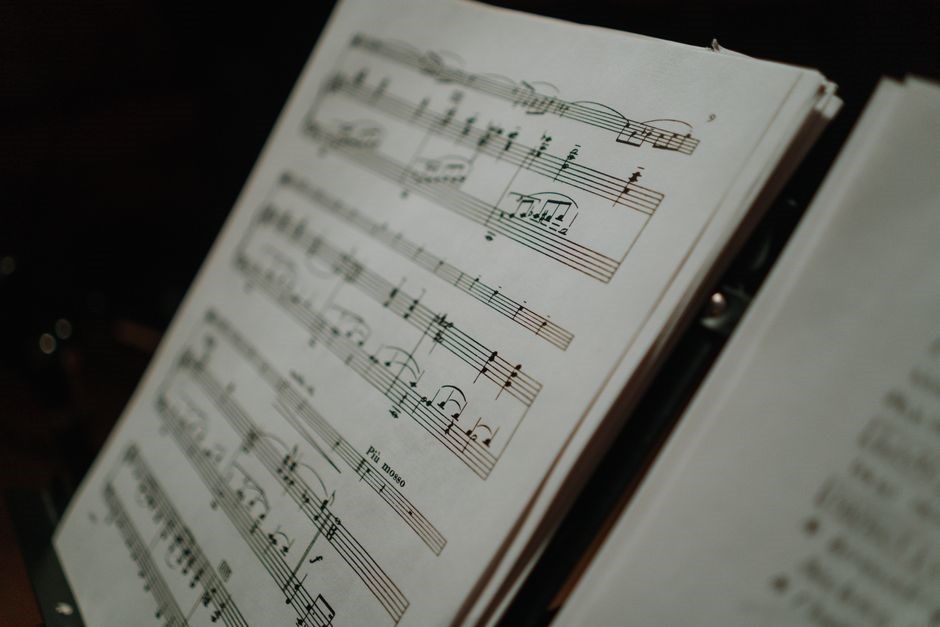
Ferling Etudes PDFs challenge pianists with intricate fingerwork, demanding precise articulation, dynamic control, and rhythmic accuracy. Each etude focuses on scales, arpeggios, or complex passages, requiring steady tempo, even tone, and expressive phrasing. Enhances fluency and.
Fingerwork and Articulation
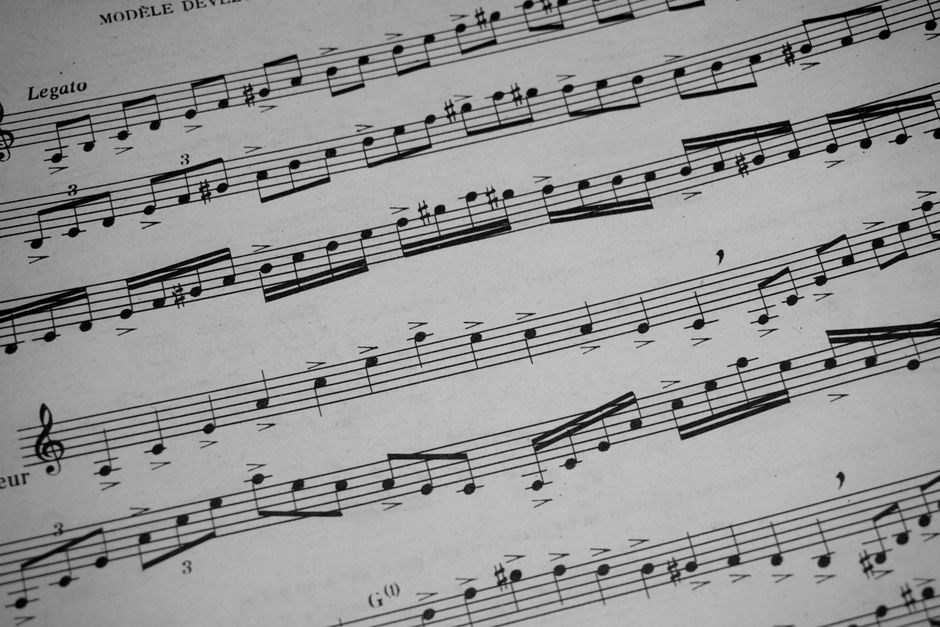
Ferling Etudes PDFs provide focused technical studies that blend rhythmic precision with expressive phrasing, making them ideal for pianists seeking to strengthen finger independence and musicality. Each etude is carefully structured to isolate a specific technical element, such as scalar runs, broken chords, or syncopated rhythms, while maintaining musical coherence. The fingerwork demands range from single‑hand clarity to cross‑hand coordination, encouraging players to develop evenness, agility, and dynamic control. Articulation is highlighted through markings such as legato, staccato, accents, and fermatas, guiding performers to shape phrases with expressive nuance. The PDFs often include brief performance notes that suggest how to balance inner voices, use the sustain pedal, and enhance harmonic depth without muddiness. These studies encourage a holistic approach, treating technical drills as integral parts of expressive musical lines rather than isolated exercises. The progression of difficulty levels ensures that learners can steadily build endurance and focus, preventing plateau and encouraging continuous growth. Finally, clear notation and performance hints make the PDFs accessible to both self‑taught players and those working with a teacher, while reinforcing rhythmic precision and internalizing tempo changes. Moreover, the etudes incorporate syncopated accents and dotted rhythms that compel the pianist to maintain a steady pulse while delivering expressive phrasing, enhancing overall musicality for all levels.

Difficulty Levels
Ferling Etudes PDFs span beginner to advanced levels, offering graded studies that progressively build technical skill and musical expression. Each set begins with simple finger drills, advancing to complex polyphony, ensuring a clear learning curve for all pianists.
Enjoy! Learn!
Beginner to Advanced
Ferling Etudes PDFs are structured into a clear progression, starting with elementary studies that focus on clarity, hand coordination, and rhythmic patterns. These introductory pieces emphasize proper posture, relaxed fingering, and the fundamentals of control, making them ideal for novices seeking a solid technical foundation. As students advance, the etudes introduce more complex hand crossings, scales, and arpeggiated passages that demand increased dexterity and precision. Intermediate studies incorporate diverse articulations—legato, staccato, and accents—while maintaining melodic phrasing, encouraging players to balance technical accuracy with musicality. The advanced set challenges performers with intricate polyphonic textures, rapid octave runs, and demanding pedal work, requiring refined control over tone color and sustain. Throughout the progression, each etude reinforces specific technical concepts such as finger independence, hand coordination, and rhythmic stability, while developing expressive interpretation. By following the graded sequence, pianists can systematically build confidence and skill, ensuring a cohesive learning experience that aligns with their evolving musical goals. The PDFs are freely downloadable, providing accessible resources for self‑study, classroom instruction, and they serve as a valuable tool for teachers seeking structured material to support diverse learning needs. Used daily, the Ferling Etudes PDFs provide a clear pathway from beginner to advanced mastery, fostering technical excellence and artistic growth!!!
Pedagogical Value
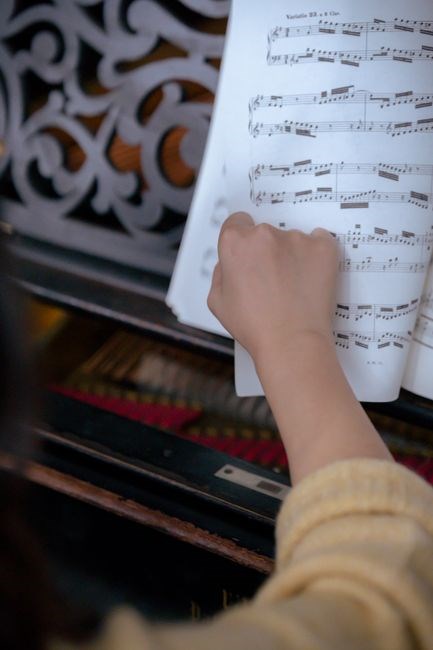
Ferling Etudes PDFs serve as teaching tools, offering graded technical drills that build finger strength, hand independence, and rhythmic precision. Their clear structure supports learning, while musical phrasing encourages expressive interpretation, making them ideal for levels.
Skill Development Benefits
Ferling Etudes PDFs provide a structured progression that enhances technical proficiency and musicality. Each etude focuses on a specific skill—be it scales, arpeggios, or rhythmic patterns—allowing students to isolate and master challenging passages. The graded layout encourages incremental growth, ensuring that beginners build a solid foundation before tackling more demanding pieces. Advanced students benefit from complex fingerings and dynamic contrasts that refine articulation and control. The clear, concise notation aids in developing sight‑reading accuracy, while the musical phrasing fosters expressive interpretation. Regular practice of these etudes strengthens hand independence, improves coordination, and promotes efficient use of the pedal. Additionally, the variety of styles—ranging from classical to contemporary—exposes learners to diverse musical languages, broadening their stylistic understanding. Overall, Ferling Etudes PDFs serve as an invaluable resource for cultivating a well‑rounded pianistic skill set, preparing students for both performance and further study. These etudes, while rooted in technical drills, also demand musical insight, encouraging students to explore phrasing nuances, dynamic shading, and stylistic authenticity across various genres. By integrating them into daily practice, pianists develop a disciplined routine that balances precision with expressive depth, ultimately enhancing overall musicianship and confidence in performance settings. Such practice sharpens technique and builds resilience for concerts!
Accessing Ferling Etudes PDF
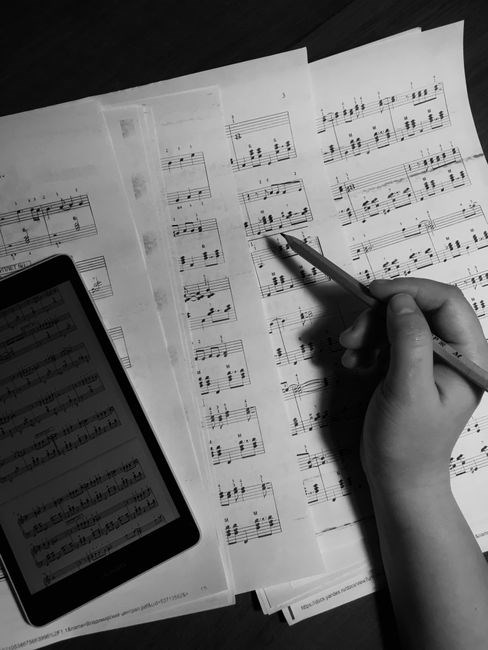
Find free, legal PDFs via reputable sites, ensuring copyright compliance. Use library portals, official publishers, or open‑access repositories. Verify licensing before downloading; avoid pirated copies. Secure, ethical access supports composers and educators alike.
Legal and Ethical Considerations

When accessing Ferling Etudes PDFs, it is essential to respect copyright law and the author’s rights. The majority of these studies are protected under the Berne Convention meaning unauthorized distribution from and unverified sources constitutes infringement.! Musicians should therefore seek out legitimate channels, such as official publisher websites, licensed distributors, or academic libraries that hold the rights to provide digital copies. Many publishers offer free PDF downloads for educational purposes, provided the user is a student or teacher and the material is used for non‑commercial instruction. Checking the licensing terms on each site is crucial; some platforms require a subscription or a one‑time purchase before granting access. In addition, using a library’s inter‑library loan service can provide temporary, legal access to the material without violating copyright. For those who wish to share the PDFs with peers, it is important to confirm that the sharing is permitted under license. Some publishers allow sharing within a closed group of students, while others prohibit it entirely. Respecting these boundaries not only protects the composer’s intellectual property but also supports the continued production of high‑quality educational resources. Finally, always verify the source of the PDF; many sites host pirated copies that can contain malware or corrupted files. By adhering to these guidelines, musicians can enjoy the full benefits of Ferling Etudes while upholding legal and ethical standards.