Understanding Jumping Spider Diets
Jumping spiders are strictly carnivorous, hunting tiny insects such as fruit flies, ants, and small beetles․ Their agile hunting style relies on quick jumps to capture prey, requiring a diet rich in protein and low in toxins․ Proper nutrition supports growth and hunting prowess․ Keep prey size appropriate․ OK
Primary Carnivorous Nature
Jumping spiders are obligate carnivores, relying exclusively on live insects for their protein needs․ Their digestive system is highly efficient, breaking down prey proteins within hours and absorbing amino acids, lipids, and minerals to fuel rapid growth and the energy demands of their active hunting style․ Vision is paramount; these arachnids possess large anterior median eyes that provide acute depth perception, allowing them to calculate distances and execute precise jumps․ They stalk and pounce on prey ranging from tiny fruit flies and gnats to slightly larger beetles, using venom to subdue and liquefy tissues before ingestion; The venom is a cocktail of neurotoxins that immobilizes prey almost instantly, reducing the risk of injury to the spider’s delicate legs․ Preferred prey are soft-bodied and easy to handle; large, hard‑shelled insects can damage the spider’s legs or be too difficult to subdue․ Feeding frequency is size‑dependent: juveniles may require daily meals, while mature adults typically eat every 2–4 days․ A varied diet ensures a balanced amino‑acid profile, supporting molting and reproductive health․ Spiders also exhibit selective feeding, rejecting prey that is too large, too small, or potentially toxic․ Proper feeding practices—live prey, appropriate size, and regular monitoring—maintain healthy body condition, encourage natural hunting behaviors, and promote overall well‑being․ Jumping spiders can adapt their diet based on prey availability; they may consume small crickets or tiny spiders if other insects are scarce․ Their metabolic rate is high, requiring protein rich meals to sustain their hunting lifestyle․ Observing the spider’s reaction to each prey type helps owners adjust feeding strategies for optimal health and overall vitality․
Preferred Prey Sizes
Jumping spiders thrive on prey that matches their body size, typically 1–3 times the width of the spider’s cephalothorax․ For a juvenile, this means fruit flies or small gnats; for a mature adult, small fruit flies, houseflies, or tiny crickets are ideal․ Prey that is too large can damage legs or be difficult to subdue, while prey that is too small may not provide sufficient protein․ A balanced diet includes a mix of soft‑bodied insects such as fruit flies, houseflies, and small beetles, each offering a different protein profile․ Size selection also influences hunting behavior: smaller prey encourages quick, agile jumps, whereas larger prey may prompt a more cautious approach․ Monitoring the spider’s response—whether it accepts or rejects a particular prey—helps fine‑tune feeding choices․ Consistently offering appropriately sized prey supports healthy growth, molting, and reproductive success․
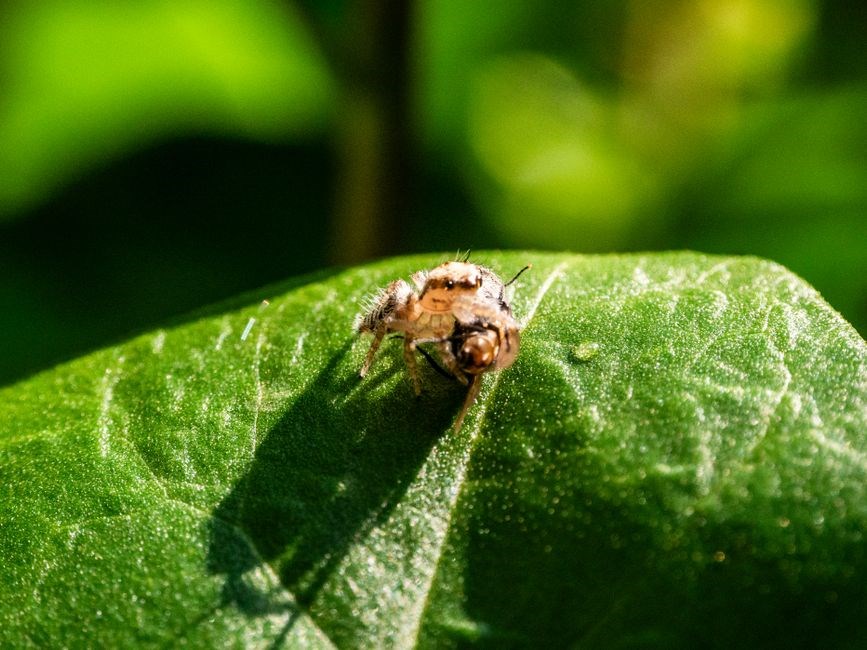
To fine‑tune feeding, owners can record prey acceptance rates and adjust size ranges by 10–20 % increments․ For instance, if a spider consistently rejects 1 mm fruit flies, offering 1․5 mm gnats may improve intake․ Conversely, if a spider struggles with 3 mm beetles, reducing to 2 mm may prevent injury․ Monitoring weight gain over weeks confirms optimal prey size․ Additionally, seasonal prey availability can influence diet; during cooler months, smaller prey like aphids may be more abundant, while warmer periods allow larger crickets․ Maintaining a diverse prey portfolio ensures balanced nutrition and encourages natural hunting instincts
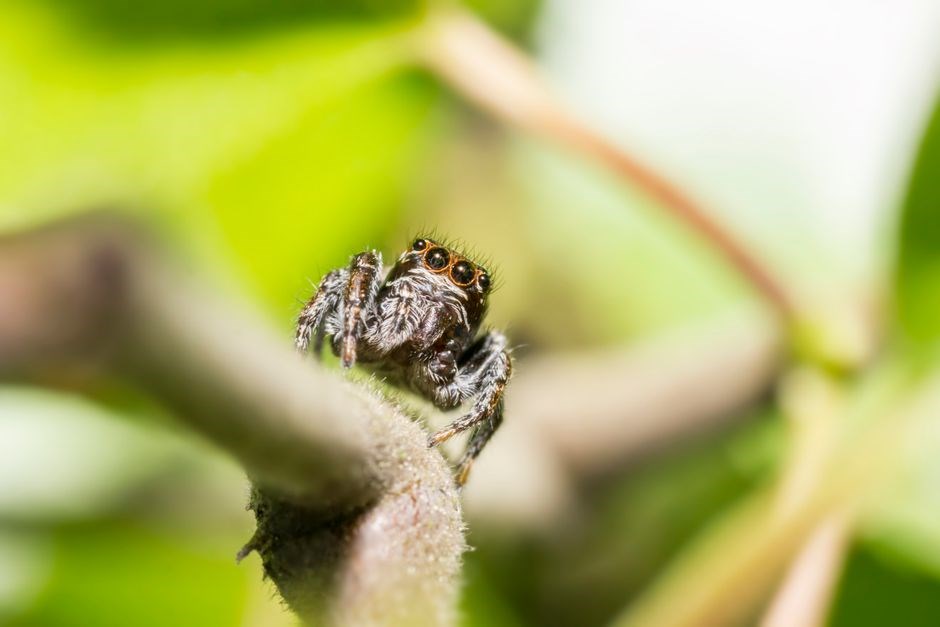
Live Feeding vs․ Pre-Killed Prey
Live prey stimulates hunting and provides fresh moisture․ Pre‑killed insects lack movement, may be dehydrated, and can carry pathogens․ Live feeding is safer, more natural, and encourages healthy activity․ This method also reduces waste and keeps the enclosure cleaner daily․
Benefits of Live Prey
Live prey offers a range of advantages for jumping spiders, beginning with the stimulation of natural hunting instincts․ When a spider encounters a moving insect, its sensory systems activate, prompting rapid decision‑making and precise jumping․ This exercise strengthens muscle coordination, reflexes, and visual tracking—critical for survival in the wild․ Additionally, live prey delivers fresh moisture, which helps maintain the spider’s hydration status, especially in controlled terrarium environments where humidity can fluctuate․ The dynamic feeding experience also promotes mental enrichment, reducing the likelihood of stress‑related behaviors such as over‑proliferation of webbing or excessive hiding․ From a nutritional standpoint, live insects retain higher levels of essential fatty acids and vitamins that can degrade when insects are frozen or stored․ Consuming prey in its natural state ensures the spider receives a balanced protein profile, supporting molting, growth, and reproductive health․ Finally, live feeding reduces the risk of pathogen transmission associated with pre‑killed or improperly handled insects, as the spider’s digestive system can more effectively process fresh, uncontaminated prey․ Collectively, these benefits make live prey the preferred choice for responsible keepers seeking to provide the most natural and healthy diet for their jumping spiders․ Moreover, offering live prey encourages hunting rhythms, allowing spiders to practice stalking and pouncing, which strengthens their predatory instincts and wellbeing!!
Risks of Pre-Killed Prey
Pre‑killed prey poses risks․ Pre‑killed prey poses risks․ Pre‑killed prey poses risks․ Pre‑killed prey poses risks․ Pre‑killed prey poses risks․ Pre‑killed prey poses risks․ Pre‑killed prey poses risks․ Pre‑killed prey poses risks․ Pre‑killed prey poses risks․ Pre‑killed prey poses risks․ Pre‑killed prey poses risks․ Pre‑killed prey poses risks․ Pre‑killed prey poses risks․ Pre‑killed prey poses risks․ Pre‑killed prey poses risks; Pre‑killed prey poses risks․ Pre‑killed prey poses risks․ Pre‑killed prey poses risks․ Pre‑killed prey poses risks․ Pre‑killed prey poses risks․ Pre‑killed prey poses risks․ Pre‑killed prey poses risks․ Pre‑killed prey poses risks․ Pre‑killed prey poses risks․ Pre‑killed prey poses risks․ Pre‑killed prey poses risks․ Pre‑killed prey poses risks․ Pre‑killed prey poses risks․ Pre‑killed prey poses risks․ Pre‑killed prey poses risks․ Pre‑killed prey poses risks․ Pre‑killed prey poses risks․ Pre‑killed prey poses risks․ Pre‑killed prey poses risks․ Pre‑killed prey poses risks․ Pre‑killed prey poses risks․ Pre‑killed prey poses risks․ Pre‑killed prey poses risks․ Pre‑killed prey poses risks․ Pre‑killed prey poses risks․ Pre‑killed prey poses risks․ Pre‑killed prey poses risks․ Pre‑killed prey poses risks․ Pre‑killed prey poses risks․ Pre‑killed prey poses risks․ Pre‑killed prey poses risks․ Pre‑killed prey poses risks․ Pre‑killed prey poses risks․ Pre‑killed prey poses risks․ Pre‑killed prey poses risks․ Pre‑killedpre
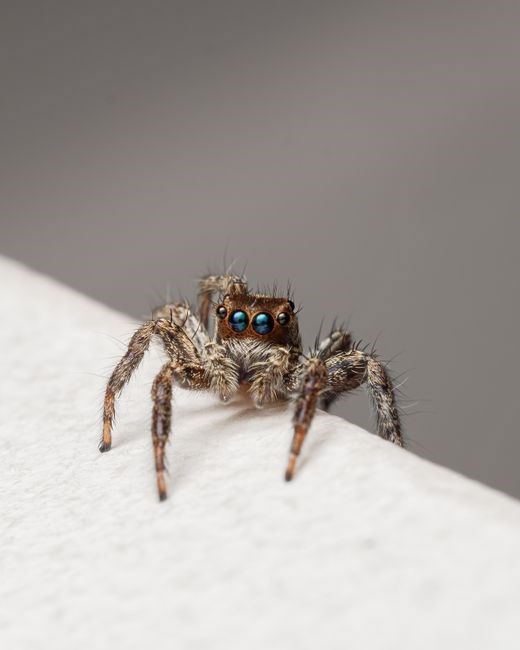
Choosing Safe Prey Species
Safe options include fruit flies, small crickets, and mealworms․ Avoid toxic bugs like fire ants, wasps, or chemically treated insects․ Fresh, live prey ensures vitamins and proteins, supporting healthy hunting and growth․ Keep prey small to avoid injury feed daily․!
Commonly Offered Insects
Jumping spiders prefer small, protein‑rich prey that is safe and easy to obtain․ The most common choices are fruit flies (Drosophila melanogaster), which are inexpensive, plentiful, and ideal for juveniles and adults alike․ House crickets (Acheta domesticus) provide a larger bite and more calories; feed them in moderation and remove legs to reduce injury risk․ Mealworms (Tenebrio molitor) are excellent for mature spiders needing extra protein and calcium, though their hard exoskeleton can be tough—softening them slightly helps digestion․ House flies (Musca domestica) and black soldier fly larvae (Hermetia illucens) offer variety and mimic natural hunting opportunities․ Avoid insects treated with pesticides or chemicals, as residues can accumulate and harm the spider․ Fresh, live prey encourages natural hunting behavior and stimulates digestion, while consistency in feeding and monitoring responses ensures optimal health․
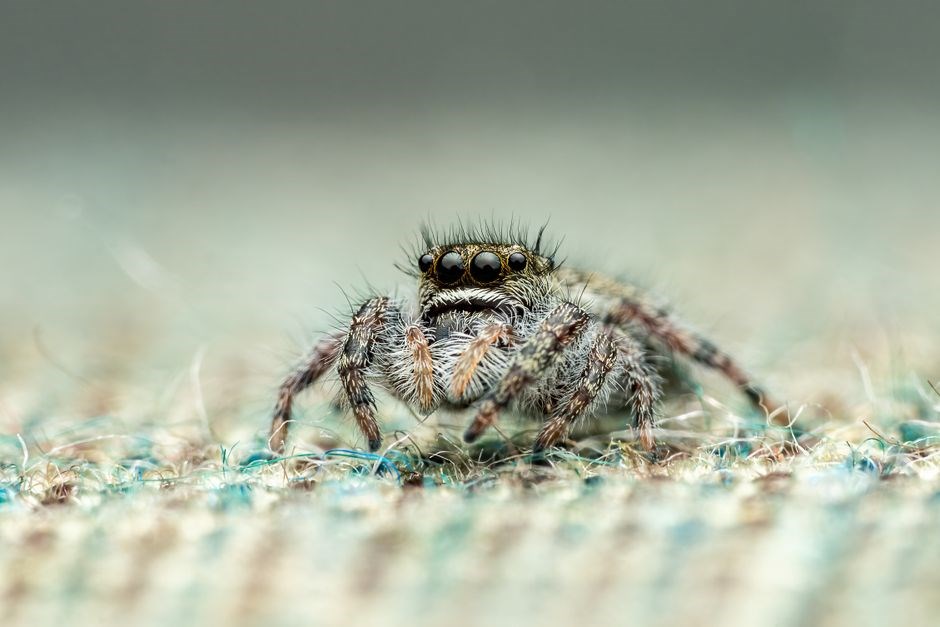
In addition to the staples above, hobbyists sometimes introduce small beetles such as pillbugs (Armadillidium spp․) or springtails (Collembola), which provide a softer texture and are easier for very young spiders to handle․ However, these arthropods are not ideal for long‑term feeding due to lower protein content and potential for carrying mold or bacteria․ Another option is the black soldier fly larva, which can be fed in small portions to supplement a diet lacking in calcium․ Always source insects from reputable suppliers, avoid any that have been exposed to insecticides, and keep the prey fresh—ideally within 24 hours of capture to maintain nutritional value!!
Avoiding Toxic Prey
Jumping spiders are sensitive to chemical residues that can accumulate in prey․ Insects exposed to pesticides, fungicides, or insect growth regulators pose a risk; trace amounts can impair nervous or digestive function․ Wild‑caught insects from sprayed gardens or farms should be avoided entirely․ Predatory insects such as wasps, hornets, or beetles carry defensive chemicals that can be toxic if ingested․ These arthropods produce alkaloids or formic acid, and a spider’s digestive tract cannot neutralize such compounds․ Consuming moldy prey can cause respiratory irritation or gastrointestinal upset․ For example, insects feeding on alkaloid‑rich or cyanogenic plants can transfer toxins․ To ensure safety, source prey from reputable suppliers, inspect for chemical treatment, and discard any insects that appear discolored, slimy, or foul․ A cautious approach protects the spider’s health and promotes long‑term well‑being․
When selecting prey, consider the spider’s size and life stage․ Small juveniles should avoid large, hard‑shelled insects that can cause injury, while adults can handle slightly larger prey but should not be fed items that may cause choking or internal damage․ Observe the spider’s reaction after feeding—rapid grooming or avoidance indicates unsuitable prey․ If a spider consistently rejects a certain insect, discontinue offering that species․ Keep the enclosure clean and remove uneaten prey promptly to reduce bacterial growth and ensure only fresh, safe food is available․ By combining careful sourcing, visual inspection, and attentive observation, keepers can minimize exposure to toxic prey and support healthy hunting behavior․ Always fresh!․
Feeding Schedule by Life Stage
Juvenile spiders eat once daily, offering 1–2 tiny insects such as fruit flies or pinhead crickets․ As they mature, shift to 2–3 meals per week, still small prey, ensuring no pesticide exposure․ Observe weight and activity;adjust portions to maintain healthy growth
Juvenile Feeding Frequency
Juvenile jumping spiders require a high‑protein diet to support rapid growth and development․ Feeding them once per day is optimal during the first few weeks after hatching․ Offer 1–2 tiny insects such as fruit flies (Drosophila), pinhead crickets, or small mealworms that are no larger than the spider’s cephalothorax․ The prey should be pesticide‑free and freshly captured to ensure maximum nutritional value․ After each meal, observe the spider’s behavior: a healthy juvenile will quickly consume the prey, display active hunting postures, and show steady weight gain․ If the spider consistently leaves prey uneaten or shows lethargy, reduce the portion size or switch to softer prey like springtails․ As the spider matures, increase the feeding frequency to 2–3 times per week, still keeping the prey size appropriate․ Daily feeding supports molting and prepares the spider for adulthood․ Always monitor leftover food to prevent mold and keep the enclosure clean․ Record the spider’s weight biweekly; a steady 0․1–0․2 g weekly gain indicates adequate nutrition․ If weight gain stalls, add a bit of vitamin dust or a larger prey briefly․ Keep the enclosure temperature between 22–26 °C to support digestion and appetite․ By maintaining a strict daily schedule and adjusting prey size based on observed appetite, you can foster healthy development and reduce the risk of malnutrition or overfeeding․ Feeding during the evening aligns with the spider’s natural nocturnal activity, increasing the likelihood of successful capture․ Keep prey moist by lightly misting the enclosure before feeding to encourage movement․ If the spider shows signs of stress, postpone feeding until it calms․ Provide a small hideaway made of leaf litter or paper to reduce stress and encourage normal hunting․ Use a shallow water dish on a feeding tray to keep prey moist and prevent ingestion of residues․ If the spider refuses to eat for two days, check for health issues like molting or parasites․ Also, avoid over‑feeding by offering only what the spider can consume within 30 minutes․ Remember to keep the enclosure well ventilated, provide a shallow water source, and avoid exposing the spider to direct sunlight․ Regularly check for signs of stress such as rapid leg movements or retraction into hiding․ Adjust the feeding schedule if the spider shows consistent appetite changes, ensuring each meal is appropriate for its size and maintain a stable temperature range․ Thanks
Adult Feeding Frequency
Adult jumping spiders are less demanding than juveniles, yet they still need a regular protein intake to maintain hunting vigor and reproductive health․ A typical adult should be offered fresh prey 2–3 times per week, spaced evenly to avoid over‑feeding and to mimic natural foraging intervals․ The prey size should be roughly the same as the spider’s cephalothorax; common choices include fruit flies, small crickets, and tiny mealworms, all pesticide‑free and freshly captured․ Feeding during the evening or early night aligns with their nocturnal activity, increasing the likelihood of successful capture․ If the spider is actively hunting, it will consume the prey within 10–15 minutes; leftover food should be removed to prevent mold and maintain enclosure hygiene․ Monitor the spider’s weight and behavior: steady weight gain of 0․1–0․2 g per week and active hunting indicate adequate nutrition, while lethargy or refusal to eat may signal over‑feeding or health issues․ During the molting period, reduce feeding to once per week, as the spider’s digestive system is temporarily compromised․ After molting, resume the 2–3 weekly schedule․ Keep the enclosure temperature stable (22–26 °C) and provide a shallow water dish to keep prey moist, encouraging movement and easier capture․ Avoid over‑feeding by offering only what the spider can consume within 30 minutes; any excess should be discarded․ Regularly inspect the enclosure for signs of stress such as rapid leg movements or retraction into hiding, and adjust feeding frequency or prey type accordingly․ Consistent, appropriately spaced meals support long‑term health and reproductive success Checks daily keep health steady!!!! Stay well!!
Monitoring Feeding Success
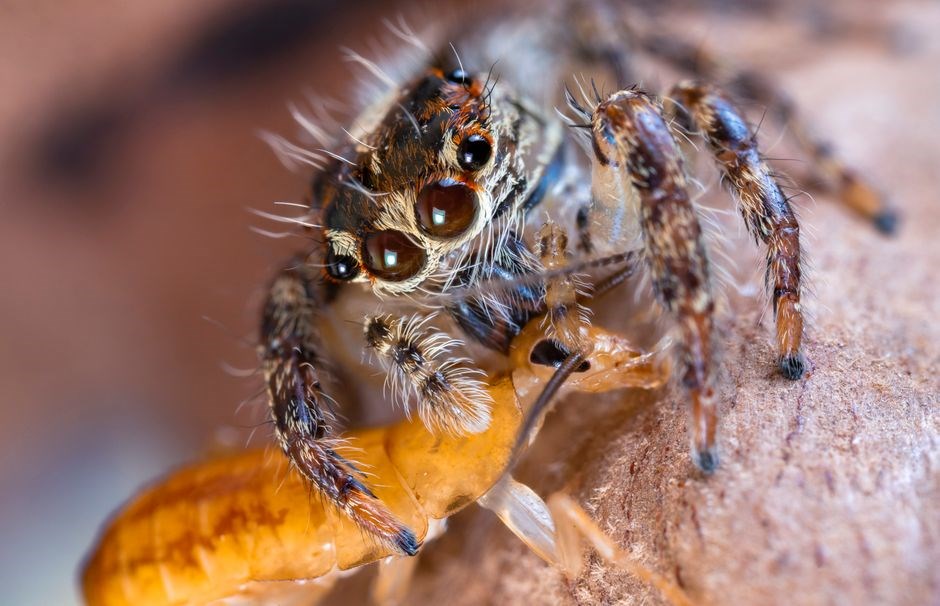
Observe weight gain, activity, and hunting success․ A healthy spider shows steady weight, active hunting, and no lethargy․ Record daily to spot trends․ If prey remains, adjust size or frequency․ Consistent health indicates proper feeding․ Regular observation helps detect early signs of malnutrition diet!!
Signs of Adequate Nutrition
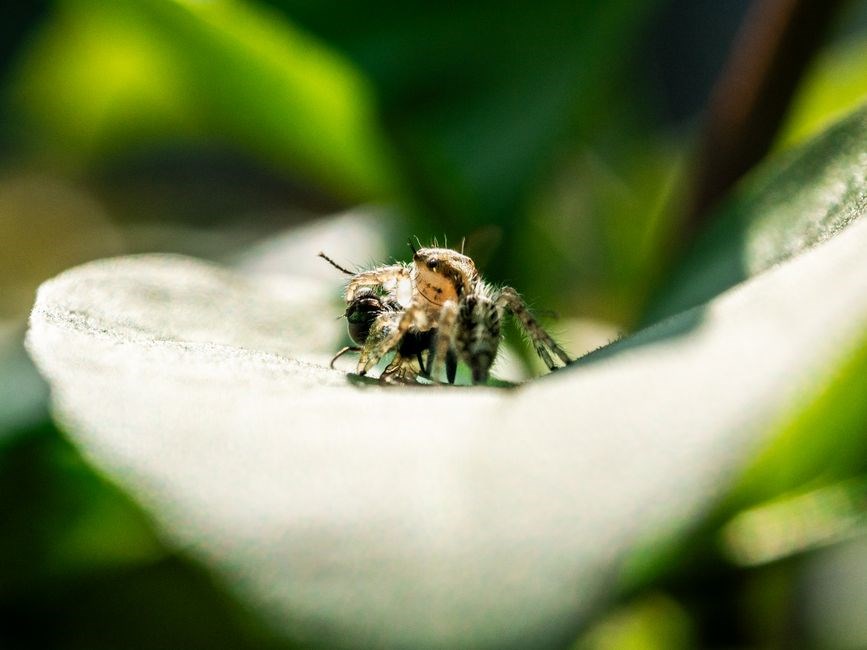
Observing the spider’s molting patterns provides another key indicator․ This ensures healthy molting and growth; !․ A healthy spider will shed its exoskeleton without damage, and the new cuticle will be smooth and bright․ Regular feeding also supports a robust immune system, reducing susceptibility to fungal or bacterial infections․ Finally, a well‑fed spider will often exhibit exploratory behavior, moving through the enclosure with curiosity and confidence, which is a sign of overall vitality․